

How to Coordinate a Remote Home Closing Well

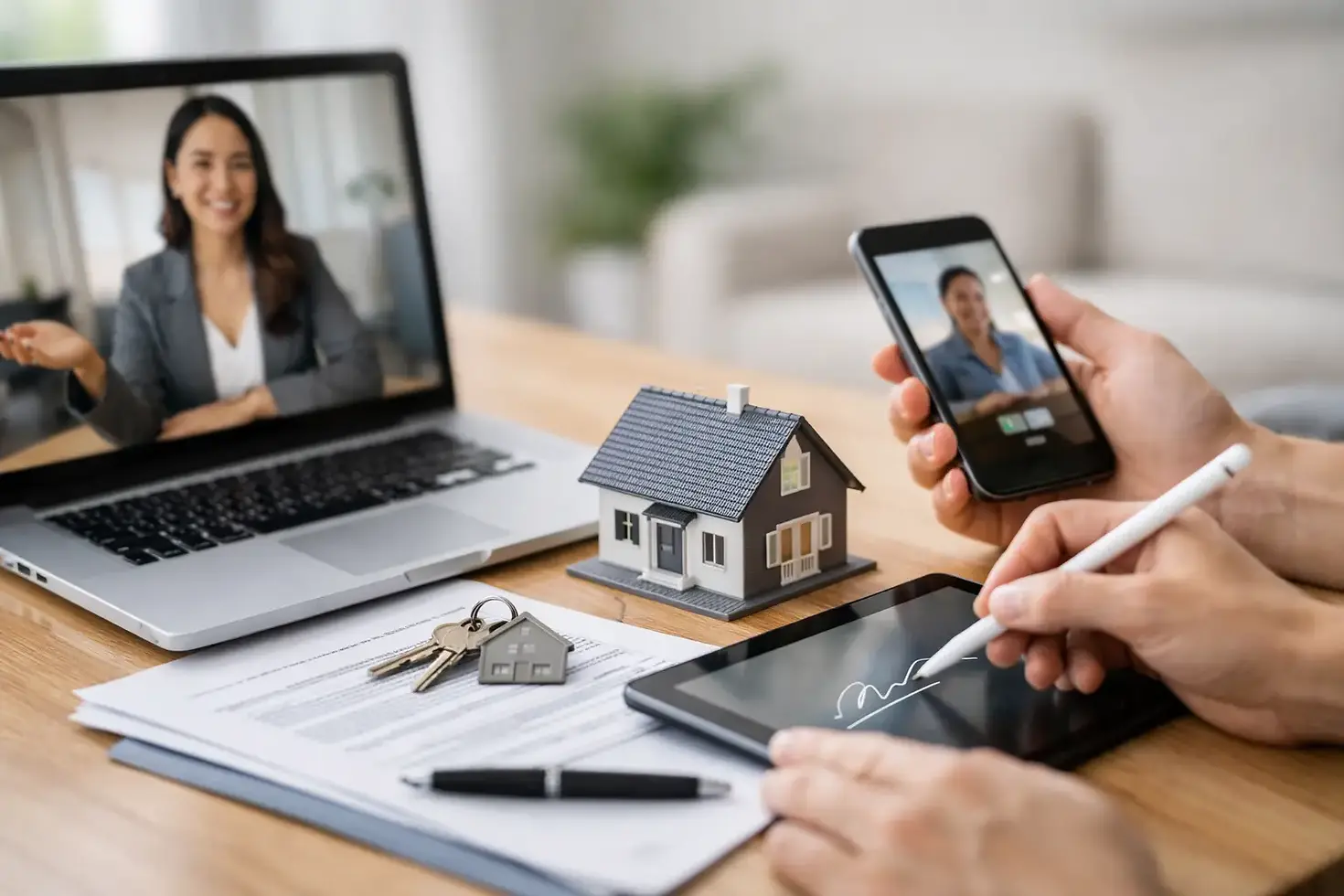
A closing date can arrive while you are already in a new city, starting a job, managing movers, or helping children settle into a new school. When you need to coordinate remote home closing details, the goal is not simply to sign documents from afar. It is to make sure every person, document, dollar, and deadline is accounted for before closing day.
A remote closing can be a convenient solution for buyers and sellers, especially relocating families. But convenience does not mean fewer moving parts. Lender requirements, title company procedures, notarization rules, wire instructions, and possession terms still deserve close attention. With early planning and clear communication, you can stay in control without being physically present at the closing table.
Coordinate a Remote Home Closing Before the Contract Deadline
The best time to discuss a remote closing is before it becomes urgent. If you know work, travel, a military move, or a sale in another state may keep you away, tell your real estate agent, lender, and title company as soon as possible. Early notice gives the closing team time to confirm what is allowed and choose the right signing method.
Not every transaction can be handled the same way. Some title companies may offer secure remote online notarization for eligible documents. Others may arrange for a mobile notary to meet you where you are. In some cases, certain loan documents or lender policies may require an in-person signing. A power of attorney may be an option in limited situations, but it must be approved well in advance by the lender and title company.
The key is to avoid assuming that an electronic signature on a contract means every closing document can be signed electronically. Real estate contracts, disclosures, loan documents, deeds, and notarized affidavits can each have different requirements. Your closing team should explain exactly what applies to your transaction.
Start With a Clear Closing Plan
Once a remote closing is approved, ask for a written outline of the process. You should know who is coordinating each step, where you will sign, what identification you need, and when funds must be received. A simple plan prevents last-minute calls when everyone is trying to meet a recording deadline.
For a buyer, the primary contacts are usually the lender, title company, agent, insurance provider, and any person helping with the final walk-through. For a seller, the title company, agent, mortgage payoff contact, and anyone named on the deed all need to be aligned. If multiple owners are involved, confirm each person’s availability early. One missing signature can delay the entire closing.
A good agent keeps communication moving between these parties while making sure you understand what is happening. That personal coordination matters most when you are managing a move from several hours away.
Build the Schedule Backward From Closing Day
A remote transaction needs a little more lead time than a traditional closing. Start with the scheduled closing date, then work backward. Ask when the lender expects final loan approval, when the title company needs signed documents returned, and when funds must be wired.
If a mobile notary is involved, schedule the appointment with room for travel delays, time-zone differences, and document delivery. If remote online notarization is available, test the technology before the appointment. You may need a computer with a camera, a stable internet connection, and a current government-issued photo ID.
Do not schedule your signing for the final hour of the final day if you have another option. A document correction, a late lender condition, or a missed email is easier to solve when there is time built into the schedule.
Protect Your Money and Personal Information
Wire fraud is one of the biggest risks in any real estate closing, and distance can make a scam harder to spot. Criminals sometimes send emails that look like they came from an agent, lender, or title company, then provide fraudulent wiring instructions. Once money is wired to the wrong account, recovering it can be difficult.
Always verify wire instructions by calling the title company at a trusted phone number you obtained independently. Do not use a number included only in an unexpected email. Confirm the account name, routing number, and any reference information verbally before sending funds. Treat any last-minute change to wiring instructions as a warning sign until you have verified it directly.
Buyers should also ask how much money is due at closing and when the final figure will be available. The amount can change slightly as taxes, prepaid items, lender credits, or repair agreements are finalized. Sellers should confirm how mortgage payoff figures, commissions, and proceeds will be handled, including whether proceeds will be wired or sent another approved way.
Review Documents Before the Signing Appointment
Remote does not mean rushed. Buyers should receive their Closing Disclosure before closing and compare it with the loan estimate and any prior discussions about credits, rate, cash to close, and fees. Sellers should review the settlement statement for the sales price, payoff amount, prorated taxes, agreed repairs, and other charges.
Read the documents before you are on a video call with a notary or sitting across from a mobile notary. If something does not look right, ask questions immediately. A strong closing team will explain the issue in plain language and work to resolve legitimate errors before documents are signed.
Keep a secure folder for your contract, amendments, inspection agreements, lender communications, insurance confirmation, identification requirements, and closing instructions. Having these records in one place makes it easier to respond quickly if a question comes up.
Do Not Separate the Final Walk-Through From Closing
Buyers who are closing remotely still need a plan for the final walk-through. This visit is typically your last opportunity to confirm that the home is in agreed condition, required repairs are complete, included items remain, and the property is empty unless the contract says otherwise.
Whenever possible, attend the walk-through in person. If that is not practical, talk with your agent about the best alternative. A live video walk-through can be helpful, particularly when paired with photos and direct conversation about any concerns. The right approach depends on the property, the condition of repairs, and your comfort level, but it should be discussed before closing day.
If the walk-through reveals a problem, do not assume it can wait. Let your agent know right away. The solution may involve documentation, a repair commitment, a credit, an escrow holdback if permitted, or a delay. What makes sense depends on the contract and the nature of the issue.
Possession deserves equal attention. Closing and receiving keys are not always the same event. Confirm when the buyer may enter the home, how keys, garage remotes, mailbox keys, and access codes will be delivered, and whether the seller has any agreed time to move out after closing. A clear possession plan avoids confusion at a moment when both households are already juggling logistics.
Keep Communication Simple and Consistent
Remote closings work best when everyone knows where updates will be shared. Decide whether email, text, or phone calls will be used for routine communication, but remember that sensitive details such as wiring instructions should always be verified by phone. Check messages regularly during the final week before closing, including spam and junk folders.
It also helps to keep a short list of the remaining items: insurance confirmation, final utility arrangements, signed disclosures, wire transfer, walk-through, and key delivery. You do not need to manage every technical detail yourself, but you should always know what is still outstanding and who owns the next step.
For Central Kentucky buyers and sellers, local knowledge can make a real difference here. A responsive agent can help coordinate with local title professionals, confirm property access for a walk-through, and keep small questions from becoming closing-day surprises. Bill VanWinkle approaches that work as personal guidance, not a handoff at the end of the transaction.
When an In-Person Closing May Be the Better Choice
A remote closing is not automatically the best option. If the transaction has unusual title issues, multiple decision-makers, complex repair negotiations, a tight financing timeline, or uncertainty about the final walk-through, being present may provide more peace of mind. Some clients also simply prefer to review important documents face to face.
There is no one right answer. The better choice is the one that protects your interests, fits the requirements of your lender and title company, and gives you confidence that nothing is being overlooked. If remote signing creates more risk or stress than it removes, an in-person appointment may be worth the extra effort.
A home closing should feel like a well-managed finish to a major decision, even when you are miles away. Plan early, verify every financial instruction, stay reachable, and lean on professionals who will keep your interests front and center. That is how a remote closing can still feel personal, organized, and ready for the next chapter.


Comments